From Clicks to Clients: 5 B2B Lead Generation Strategies That Actually Scale in 2026
You don’t have a lead problem. You have a visibility and trust problem.
In 2026, the digital landscape is noisier than ever. If you’re a business owner in Tech, Finance, or the AEC (Architecture, Engineering, Construction) sector, you’ve likely noticed that the old playbooks: cold emailing thousands of strangers or running generic “click here” ads: aren’t just failing; they’re actually damaging your brand.
The reality of modern B2B growth is that your customers are smarter and more protective of their time. They aren’t looking for another vendor; they’re looking for a partner who understands their specific industry challenges before they even hop on a discovery call.
Let’s explore five B2B lead generation strategies that move beyond the surface-level metrics and focus on what actually drives revenue: strategic positioning and high-intent engagement.
1. Capture Hidden Intent with Website Identification
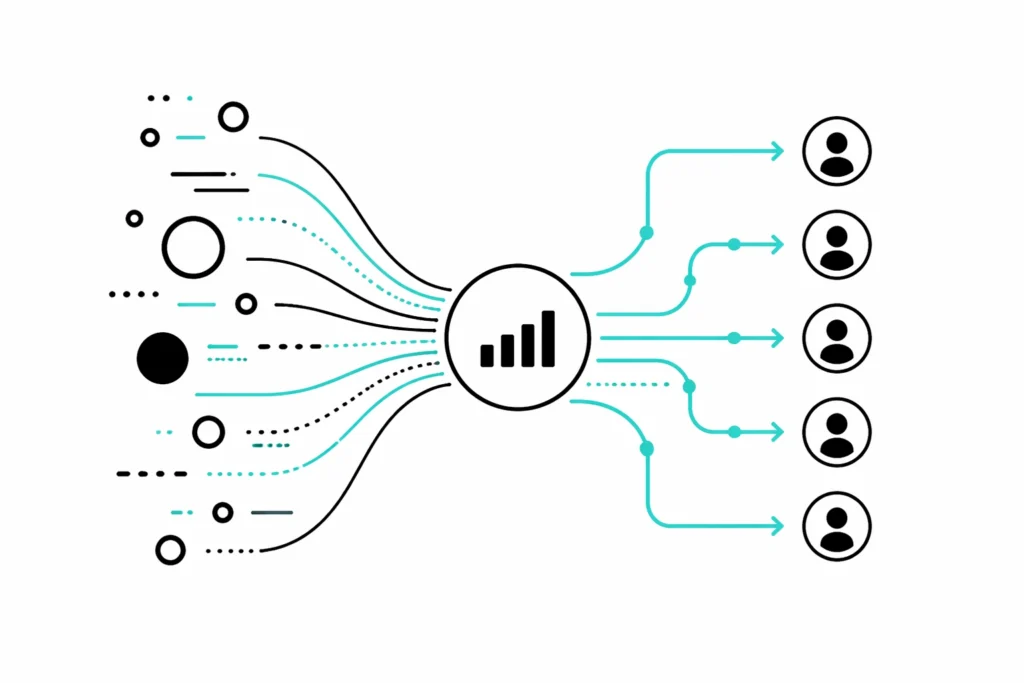
Did you know that roughly 98% of your website visitors never fill out a contact form? In the past, those potential leads were just ghosts in your Google Analytics.
In 2026, waiting for a prospect to “opt-in” is a losing game. Scaleable lead generation now relies on identifying the companies visiting your site in real-time. By using intent data platforms, you can see which engineering firms are browsing your “Sustainability Consulting” page or which fintech startups are reading your whitepapers.
Why this works: It allows you to shift from reactive marketing to proactive outreach. If you see a high-value account visiting your pricing page three times in a week, you don’t wait for them to email you. You reach out with a personalized insight that addresses their specific needs.
2. Precision Account-Based Marketing (ABM) for High-Value Sectors
For industries like Tech and Finance, where the sales cycles are long and the decision-making groups are large, volume is the enemy of effectiveness. You don’t need 1,000 leads; you need 10 of the right accounts.
Account-Based Marketing (ABM) in 2026 is about surgical precision. Instead of casting a wide net, you identify 50-100 “must-win” accounts. You then create hyper-personalized content: think custom landing pages or industry-specific case studies: that speaks directly to the stakeholders at those specific companies.
Actionable Step: Create a “Power List” of your top 20 prospects. Ensure every touchpoint they have with your brand, from the ads they see on LinkedIn to the emails they receive, feels like it was written specifically for their business challenges. This level of strategic branding is what separates the winners from the noise.
3. Dominating the AEC Sector through Strategic Visibility
The AEC (Architecture, Engineering, Construction) industry still thrives on reputation and “who you know.” However, the “who you know” has moved online. If your firm isn’t visible where the developers and project managers are looking, you’re invisible to the biggest opportunities.
Lead generation in AEC isn’t just about SEO; it’s about strategic PR and industry authority. When your firm is featured in trade publications or wins a major industry award, that credibility does the heavy lifting for your sales team.
The Reframe: Stop viewing marketing as an expense and start viewing it as your most effective business developer. A strong portfolio showcase and a regular presence in industry news channels build the trust necessary to win multi-million dollar contracts.

4. Leverage Personal Authority Over Company Pages
The era of the “faceless corporation” is over. On platforms like LinkedIn, personal profiles now receive 5 to 10 times more reach than company pages. If your leadership team isn’t active, you’re leaving leads on the table.
In 2026, B2B lead generation is driven by thought leadership. When your CEO or Head of Engineering shares insights about market trends or solves a common industry problem in a public forum, they aren’t just “posting”: they are building a lead-generating machine.
Ensure Consistency: Your personal brand should reflect the same high-level strategy as your company brand. Use LinkedIn not just to broadcast, but to engage with prospects’ content. A thoughtful comment on a prospect’s post is often more effective than a thousand cold DMs.
5. Host Interactive Expertise (Webinars and Micro-Events)
Traditional “gated” whitepapers are losing their luster because they require too much friction for too little reward. Instead, high-growth B2B firms are turning to interactive expertise: short, high-value webinars and virtual roundtables.
Data shows that well-structured webinars can convert 20-40% of participants into qualified leads. The key is to avoid the “sales pitch” and focus on providing immediate utility. If you’re a finance firm, host a 30-minute deep dive into new tax regulations. If you’re in tech, do a live teardown of a common software bottleneck.
Maintain the Momentum: The lead generation doesn’t end when the webinar does. Use the questions asked during the session to fuel your next month of content and follow up personally with everyone who attended.
Conclusion: Visibility Drives Opportunity
Winning in 2026 requires a shift from “convincing” people to buy to “positioning” yourself so that you are the obvious choice. Whether you are navigating the complex compliance of the finance world or the massive scale of the construction industry, the goal remains the same: build trust at scale.
These strategies: intent data, ABM, strategic visibility, personal authority, and interactive expertise: aren’t just tactics; they are the foundation of a modern marketing strategy that grows with your business.
Ready to stop chasing clicks and start closing clients? Let’s talk about how we can elevate your brand’s presence and reputation. Contact us today to get started.