
Profits Over Likes: Why Your Book Marketing Strategy Needs a 2026 Reality Check
You’ve probably seen it before: an author goes viral on TikTok, their video hits 500,000 views, and the comments are filled with “I need this book now!” But when the royalties statement comes in at the end of the month, the numbers haven’t moved. The gap between digital noise and actual sales has never been wider than it is in 2026.
We’ve entered an era where being “online famous” and being a “profitable author” are two completely different careers. If you’re spending four hours a day editing reels and ten minutes a day writing or looking at your business data, you’re not marketing: you’re performing. It’s time for a reality check.
In this guide, we’ll explore why chasing vanity metrics is a recipe for burnout and how you can pivot to a strategy that prioritizes conversion, reader retention, and long-term brand equity. Let’s dive into why your focus should be on being profitable, not just popular.
The Vanity Metric Trap
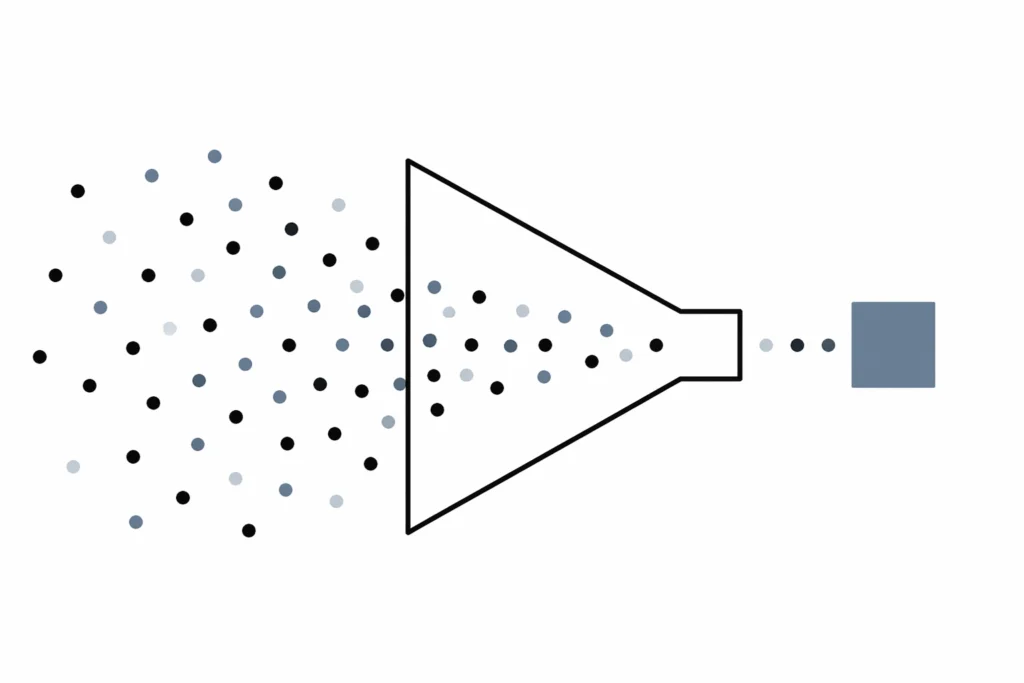
It’s easy to get addicted to the dopamine hit of a “like.” When a post performs well, it feels like progress. However, vanity metrics: likes, shares, views, and even follower counts: are often hollow. They tell you that people find your content entertaining, but they don’t tell you if people find your work valuable enough to buy.
By 2026, the algorithms have become so sophisticated at keeping users on-platform that “reach” rarely translates to “exit.” Most social media platforms are designed to keep readers scrolling, not to send them to your website or an online retailer. If your marketing strategy relies on the hope that a percentage of followers will click a link in your bio, you’re playing a losing game.
Why vanity metrics fail authors:
- They’re platform-dependent: You don’t own your followers. If the platform changes its algorithm (or disappears), your “audience” goes with it.
- They don’t pay the bills: You can’t buy groceries with 10,000 likes. High visibility without effective branding strategies is just wasted energy.
- They distort your focus: You start creating content for the algorithm instead of writing stories for your readers.
Reframe: Profitable, Not Popular
The goal of a sustainable writing career isn’t to be known by everyone; it’s to be valued by the right people. This is the “Profitable, Not Popular” framework. A smaller, dedicated audience of 1,000 true fans who buy every book, sign up for your newsletter, and attend your events is infinitely more valuable than 100,000 passive followers who just like your memes.
Moving from popularity to profitability requires a shift in how you measure success. Instead of asking “How many people saw this?” you should be asking “How many people joined my ecosystem?”
Let’s take a closer look at the metrics that actually matter in 2026:
- Conversion Rate: The percentage of people who take a specific action (like joining an email list or buying a book) after seeing your content.
- Customer Acquisition Cost (CAC): How much time or money you spend to get one new reader.
- Lifetime Value (LTV): How much a single reader spends on your books over the course of their relationship with you.
The Power of Reputation Management
In the independent literature world, your reputation is your most valuable currency. In an age of AI-generated content and flooded marketplaces, readers look for trust signals before they hit “buy.” This is where reputation management services for authors become critical.
Reputation isn’t just about getting five-star reviews: it’s about brand safety and perceived authority. If a potential reader Googles your name and finds nothing but dead social media links and a lack of professional presence, they’ll move on. Professional PR and branding solutions ensure that your public persona matches the quality of your writing.
Ensure your reputation is working for you:
- Monitor your digital footprint: Regularly check what appears when people search for your name or your book titles.
- Encourage authentic reviews: Focus on getting reviews on high-intent platforms like Amazon, Goodreads, and specialized literary blogs rather than just social media comments.
- Maintain a professional hub: Your website should be the central source of truth for your brand.
At Freeform PR & Branding, we’ve seen how transforming a brand from “just another author” to a “literary authority” can change the trajectory of a career. It’s about building a fortress around your name so that your books are seen as essential reads, not just disposable content.
Direct-to-Reader: Owning Your Land
If you’re building your entire author career on social media, you’re building on rented land. To be profitable in 2026, you need to own the relationship with your readers. This means moving them from social media into a direct-to-reader pipeline.
The most successful indie authors today aren’t the ones with the most followers; they’re the ones with the most robust email lists and private communities. When you have a direct line to your audience, you don’t have to pay for ads or hope for an algorithm’s favor to make a sale.
Build your direct pipeline:
- Offer a compelling lead magnet: Give readers a reason to sign up, like a free novella, a character map, or behind-the-scenes content.
- Maintain a consistent newsletter: Don’t just email when you have a book to sell. Build a relationship by sharing your process and curating value for your readers.
- Prioritize your website: Ensure your site is mobile-friendly and optimized for conversions. It should be the easiest place for someone to buy your work.
Invest in Strategy, Not Just Tactics
Many authors fail because they focus on tactics (which hashtag to use, what time to post) instead of strategy (who is my reader, and how do I build trust with them?). A tactical approach is reactive; a strategic approach is proactive.
Professional reputation management services for authors can help bridge this gap by aligning your public image with your business goals. When your branding, PR, and marketing are all pulling in the same direction, growth becomes a mathematical certainty rather than a stroke of luck.
Let’s explore how you can audit your current strategy:
- Analyze your time: Are you spending more time on activities that generate “likes” or activities that generate sales?
- Check your links: Is every piece of content you post leading the reader one step closer to your ecosystem?
- Review your brand: Does your visual identity reflect the tone and quality of your books? If not, it might be time to look into professional branding services.
The Long-Term Play
The “reality check” isn’t meant to be discouraging; it’s meant to be empowering. When you stop chasing the phantom of virality, you free up energy to build something that lasts. A profitable author career is built brick by brick, reader by reader.
Focus on the quality of your connections, the integrity of your reputation, and the efficiency of your conversion funnel. In the crowded marketplace of 2026, the authors who survive and thrive are those who understand that popularity is fleeting, but a well-managed brand and a loyal reader base are assets that pay dividends for years.
Start treating your writing like the business it is. Stop counting likes and start measuring the health of your brand. The results might not happen overnight, but they will be real, measurable, and most importantly( profitable.)

